
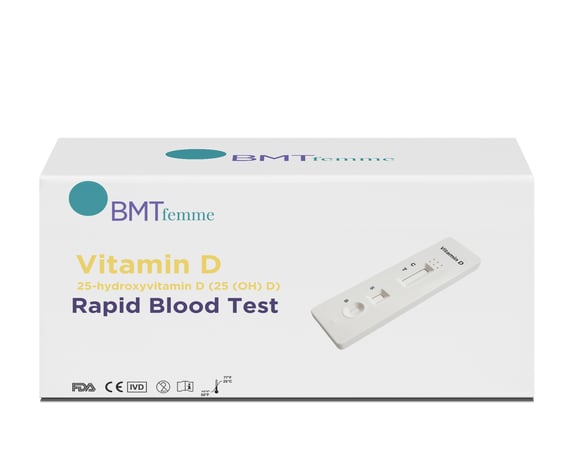
Vitamin D
Rapid Blood Test
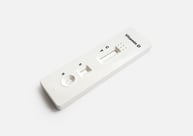
The Vitamin D Rapid Test Cassette is a quick
chromatographic immunoassay for the semi-
quantitative detection of 25-hydroxy vitamin D
(25 OH D) in human fingertip whole blood. This
assay provides a preliminary diagnostic test
result and can be used for screening vitamin D
deficiency.
Detects Vitamin D Levels
By enabling early detection of potential vitamin D deficiency, the test supports proactive health management. It promotes awareness of vitamin D levels, which are crucial for maintaining bone health and overall well-being.

Knowing is better
The test uses a small sample of whole blood obtained from a fingertip and It is designed for rapid and easy use, providing results quickly. The test is intended for preliminary screening and not for definitive diagnosis and It can help identify individuals who may need further testing or supplementation for vitamin D deficiency.
Frequently asked questions
How do I know if my vitamin D levels are sufficient or deficient?
In adults having a blood level of 25 hydroxyvitamin D ranging, between 20 to 50 ng/mL (50 to 125 nmol/L) is usually seen as sufficient for maintaining bone health and overall well being. When levels drop below 20 ng/mL (50 nmol/L) its considered a deficiency. Some specialists suggest a range of 30 to 80 ng/mL (75 to 200 nmol/L) though there is discussion about whether levels, beyond 50 ng/mL offer added advantages.
What if I’m deficient?
If your vitamin D level is, than 20 ng/mL it means you have a deficiency. A severe deficiency, below 10 ng/mL may cause bone pain and muscle weakness. Treatment usually involves taking vitamin supplements to raise your levels to the range. The required dosage varies depending on your level and other factors so it’s best to consult your doctor for a treatment plan. To find out if you lack vitamin D getting tested is crucial. Discuss the results with your doctor to decide on the steps to maintain bone health and overall well being.
Can certain medications interfere with the results of a home vitamin D test?
Some medications have the potential to disrupt the outcomes of a vitamin test conducted at home. Certain drugs, like anticonvulsants, glucocorticoids and weight loss medications can impact how vitamin D is processed in the body, which could lead to inaccuracies, in vitamin D test results. A comprehensive review and analysis pointed out types of medications that could influence ones vitamin D levels, including anti epileptics, laxatives, metformin, loop diuretics, statins, corticosteroids and several others. These medications might alter vitamin D levels and interactions underlining the importance of monitoring and considering supplementation to maintain levels of vitamin D.